
Smart locks companies are reshaping how people secure homes, apartments, and workplaces. Digital access, remote control, and user management now replace many traditional keys. At The Locksmith Journal, we focus on how modern lock technology still depends on good mechanical care. Even the most advanced smart lock needs cleaning, lubrication, and smart habits to stay reliable. This guide explains how smart locks work, why maintenance matters, how a lock cleaner and the best lubricant for locks protect performance, and why basic safety tips for apartment residents remain essential.
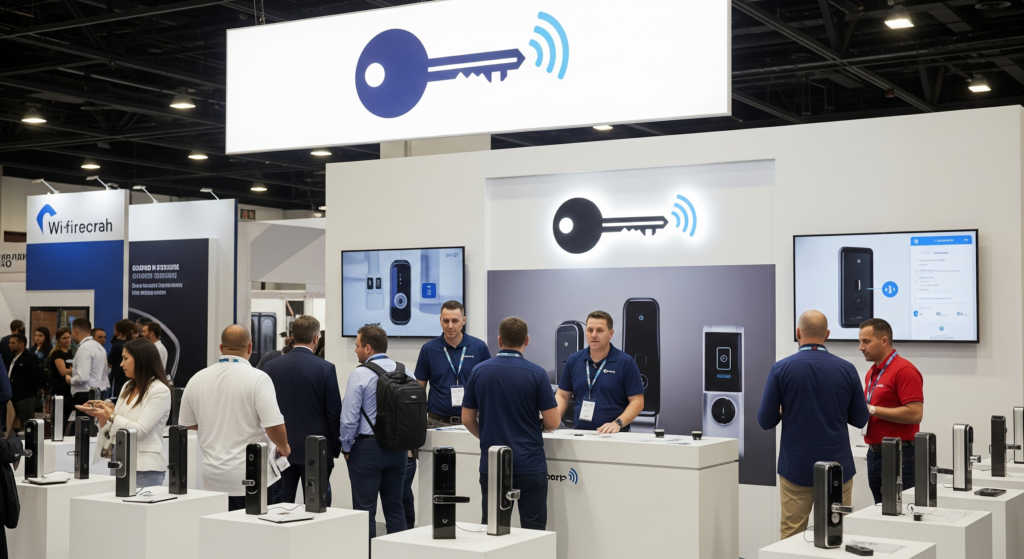
How Smart Locks Changed Security
Smart locks use electronics, motors, and sensors to control access. Many models rely on keypads, cards, mobile apps, or biometric data. These systems allow you to lock and unlock doors remotely, assign temporary access, and track entry activity.
Smart locks companies focus on convenience and control. However, most smart locks still contain traditional mechanical components. Cylinders, bolts, and latches remain part of the system. If these parts fail, the smart features cannot compensate.
Technology improves access, but physical maintenance keeps the lock working.
Why Mechanical Care Still Matters
Even the best smart lock will struggle if dirt or residue builds up inside the mechanism. Dust, moisture, and old lubricant affect internal movement. When this happens, users experience slow response, failed locking cycles, or complete lockouts.
Using a lock cleaner removes debris from inside the lock body and keyway. Cleaning prevents friction from interfering with motors and gears. This is especially important in smart locks because motors strain when resistance increases.
Smart locks fail faster when mechanical care is ignored.
The Role of Lock Cleaner in Smart Locks
A lock cleaner flushes out dirt, dust, and residue left behind by previous products. It is especially useful when:
- A smart lock operates slowly
- The lock makes unusual sounds
- The bolt hesitates during locking
- Old oil or grease was used in the past
Cleaning should always come before lubrication. Applying lubricant to a dirty lock traps debris inside and worsens performance.
After cleaning, allow the lock to dry fully before moving to lubrication.
Choosing the Best Lubricant for Locks
Not all lubricants are safe for smart locks. Heavy oils and greases attract dirt and damage sensitive components. The best lubricant for locks is a PTFE-based formula. It dries clean, reduces friction, and does not interfere with electronic parts.
Benefits of PTFE lubricants include:
- Smooth bolt and latch movement
- Reduced strain on smart lock motors
- Resistance to dust and moisture
- Longer hardware lifespan
Apply lubricant lightly. Insert and operate the lock several times to distribute it evenly. Avoid overuse.
Smart Locks and Apartment Living
Smart locks companies increasingly target apartment residents. Keyless access eliminates lost keys and simplifies guest entry. However, shared buildings bring added responsibility.
Following safety tips for apartment residents ensures smart locks deliver real security.
Important practices include:
- Keep smart lock firmware updated
- Use strong access codes or credentials
- Remove access immediately when roommates leave
- Avoid sharing login details
- Maintain the physical lock with cleaning and lubrication
- Report door alignment issues to management
Technology alone does not guarantee safety. Habits and maintenance matter.
Maintenance Schedule for Smart Locks
Smart locks require routine care to perform reliably. Use this schedule:
- Clean exterior and keyway every 6 to 12 months
- Lubricate mechanical parts every 6 to 12 months
- Inspect batteries quarterly
- Test locking function monthly
- Inspect door alignment seasonally
Locks exposed to dust, humidity, or heavy use may need more frequent attention.
When Smart Locks Fail
When a smart lock stops responding, the issue often begins with mechanical resistance. Motors push against friction until they fail or shut down. This results in delayed locking, error alerts, or complete inaccessibility.
Early warning signs include:
- Slower locking cycles
- Unusual noises
- Increased battery drain
- Inconsistent locking behavior
Address these signs immediately. Cleaning and lubrication often restore proper function before costly replacement becomes necessary.
Choosing Reliable Smart Locks Companies
Not all smart locks are built the same. Look for companies that:
- Use durable mechanical components
- Support regular maintenance
- Offer manual override options
- Provide long-term software updates
- Emphasize security and reliability
At The Locksmith Journal, we stress that the best smart lock combines strong engineering, smart technology, and proper care.
Final Thoughts from The Locksmith Journal
Smart locks companies continue to innovate, but no system works without maintenance. Using a lock cleaner, applying the best lubricant for locks, and following proven safety tips for apartment residents keeps smart locks reliable and secure. Technology improves access, but good lock care protects your door, your property, and your peace of mind.