
A modern workplace needs more than basic locks and keys. Security, accountability, and smooth daily operations depend on controlled access. At The Locksmith Journal, we guide business owners, property managers, and tenants on how a workplace access control system improves safety, reduces risks, and prevents common problems such as a jammed lock on door. This article also connects access control with proper lock maintenance, the best lubricant for locks, and practical safety tips for apartment residents who live or work in shared buildings.
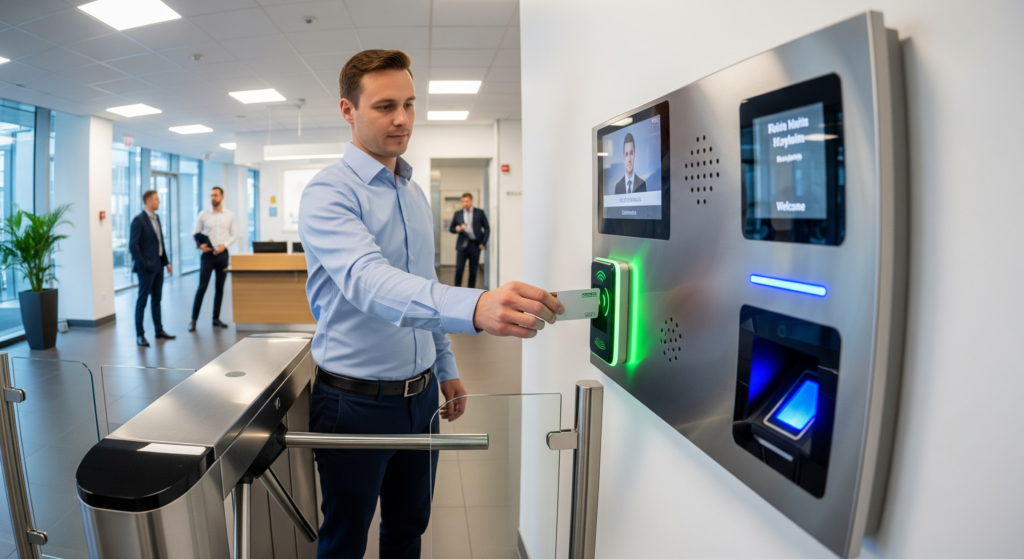
What Is a Workplace Access Control System
A workplace access control system manages who can enter specific areas of a building and when. Instead of relying on traditional keys, access is granted through cards, codes, key fobs, or biometric credentials. This system allows better control over employee movement and protects sensitive areas.
Access control is widely used in offices, warehouses, medical facilities, and mixed-use buildings. It reduces reliance on physical keys and lowers the risk of unauthorized entry.
Why Traditional Locks Create Problems
Traditional locks work well, but they require regular maintenance. Without care, they wear down and fail. A common issue is a jammed lock on door, which disrupts operations and creates safety concerns.
Problems caused by traditional locks include:
- Lost or duplicated keys
- Costly rekeying after staff changes
- Lockouts during business hours
- Wear caused by frequent use
- Delays due to broken or stuck locks
Access control systems reduce these issues by limiting how often physical locks are used.
How Access Control Improves Workplace Security
A workplace access control system allows managers to assign and revoke access instantly. When an employee leaves, access can be removed without changing locks. This saves time and money while maintaining security.
Key benefits include:
- Controlled access to restricted areas
- Clear access levels for staff and visitors
- Reduced risk of unauthorized entry
- Activity tracking for audits and safety reviews
- Fewer emergency lockouts
Access control also improves emergency response by allowing quick lockdowns or restricted movement when needed.
The Role of Lock Maintenance in Access Control
Even with access control, physical locks still exist on doors, cabinets, and backup entry points. Proper care prevents failures. Using the best lubricant for locks keeps these mechanisms smooth and reliable.
Locks that are dry or dirty are more likely to jam. A stuck door can interrupt business operations or compromise safety. PTFE-based lubricants are recommended because they reduce friction without attracting dirt.
Simple maintenance steps include:
- Lubricating locks on a regular schedule
- Inspecting doors for alignment issues
- Replacing worn keys and hardware
- Addressing stiffness before failure occurs
Good maintenance supports the effectiveness of access control systems.
Workplace Access Control and Shared Buildings
Many offices operate inside apartment complexes or mixed-use properties. In these settings, access control must coexist with residential security needs. Following safety tips for apartment residents helps maintain harmony and safety.
Important practices include:
- Keeping residential and workplace access separate
- Ensuring shared entrances remain secure
- Reporting damaged locks or doors immediately
- Avoiding propped doors or bypassed systems
Clear boundaries between residential and commercial access protect everyone in the building.
Preventing Lock Failures and Downtime
Downtime caused by lock failure costs money and disrupts workflow. A jammed lock on door can block entry to offices, storage areas, or emergency exits. Access control reduces dependency on mechanical locks, but maintenance remains critical.
Preventive steps include:
- Scheduled lock lubrication
- Seasonal inspections
- Immediate repair of sticking locks
- Professional assessment of aging hardware
When locks function smoothly, access systems operate more efficiently.
When to Upgrade to an Access Control System
You should consider a workplace access control system if your business experiences:
- Frequent staff turnover
- Lost or unreturned keys
- Multiple restricted areas
- High foot traffic
- Repeated lockouts or lock damage
Access control offers flexibility, improves security, and simplifies management.
Final Thoughts from The Locksmith Journal
At The Locksmith Journal, we believe strong security combines technology and maintenance. A workplace access control system reduces risks, improves efficiency, and limits problems linked to traditional locks. Pairing access control with proper care, including using the best lubricant for locks, prevents failures like a jammed lock on door and supports safer environments for both workplaces and residential spaces.
Security works best when systems and habits work together.