
The Locksmith Journal brings you clear guidance on lock care, security habits, and access control. This post covers lock lubricants, the best lubricant for door locks, safety tips for apartment residents, and why modern workplaces use access control systems.
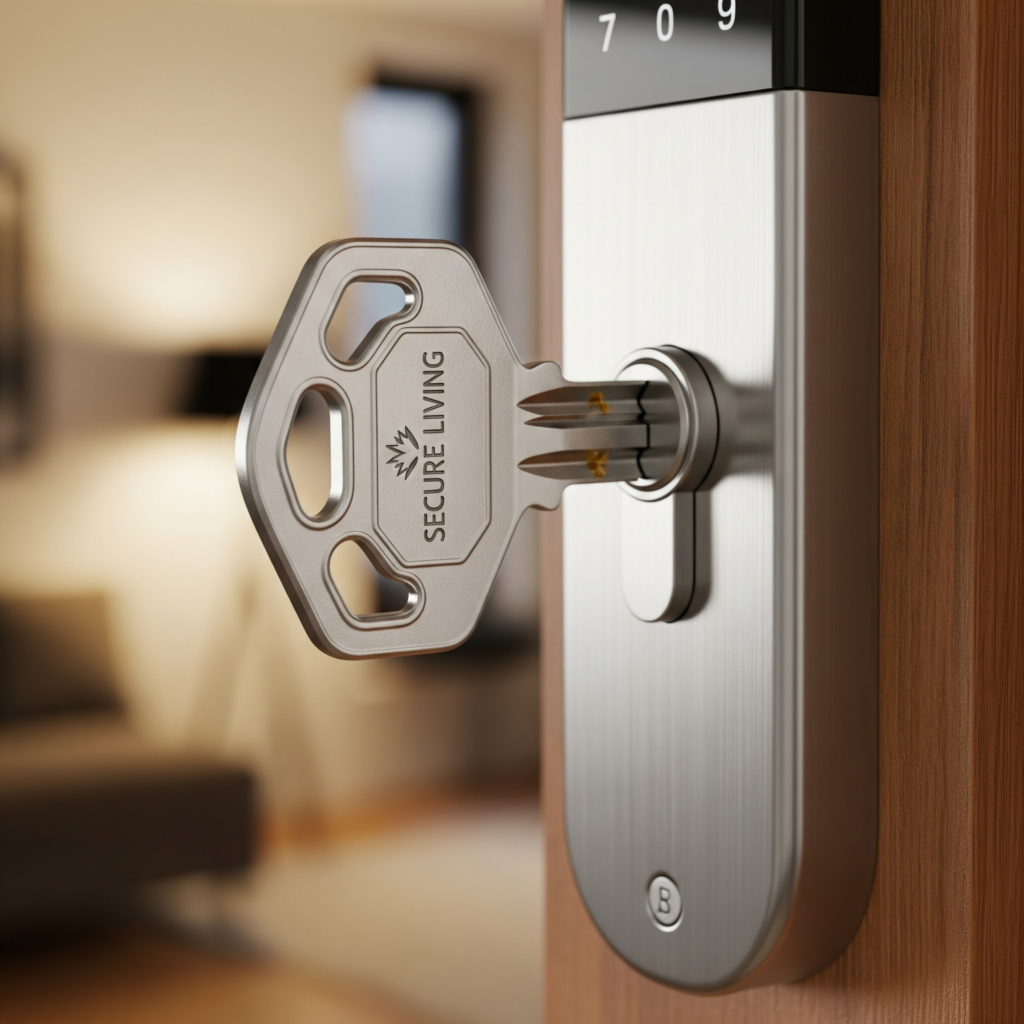
Why Lock Lubricants Matte
Lubrication keeps locks smooth and reduces wear. Dust and debris collect inside lock cylinders over time. This leads to sticking, key jams, and early hardware failure.
Avoid heavy oils. They pull in dirt and form sludge inside the lock. Use products that stay clean, protect against friction, and work in different climates.
Dry and semi-dry lubricants work best. They create a thin protective layer without attracting grime. These formulas also hold up in humid or dusty areas.
What Is the Best Lubricant for Door Locks
You want a lubricant that avoids residue, flows into tight spaces, and keeps the lock clean. Locksmiths often choose PTFE-based sprays. They settle into the cylinder and leave a dry, smooth film.
Graphite powder works in some cases, but it imposes limits. Too much powder can cause build-up. It also performs poorly in damp environments. Mixing graphite with liquid oils creates paste-like blockage, so avoid combining products.
Skip general-purpose oils. They stick, trap dust, and shorten the life of the lock.
A good routine:
- Use a PTFE lock spray for cylinders and bolts.
- Apply small bursts into the keyway.
- Insert the key and turn it at least five times to spread the lubricant.
- Wipe off extra residue around the lock face.
Older locks with rust or debris need cleaning first. Use a penetrating cleaner, operate the mechanism, then add the PTFE lubricant.
Lubrication Timing
Keeping locks maintained protects their lifespan. Use this schedule:
- Exterior doors or high-use locks: every 6 to 12 months.
- Interior or low-use locks: once every 1 to 2 years.
- Humid or coastal environments: every 3 to 6 months.
Regular care reduces sticking, wear, and emergency lockouts.
Safety Tips for Apartment Residents
Apartment living requires strong personal security habits. You share hallways, entrances, and maintenance staff. Basic steps make a real difference.
Use these tips:
- Keep locks lubricated so they operate firmly. Weak or grinding locks invite tampering.
- Inspect loose handles or wobbling cylinders. Report or fix them before they fail.
- Use deadbolts with solid installation. Standard spring latches are easier to bypass.
- Replace or rekey locks if you lose keys. Do the same after moving into a new unit.
- Install a peephole or camera if permitted.
- Avoid leaving spare keys in common areas.
- Confirm visitors before opening the door.
These habits protect your space and reduce preventable risks.
Workplace Access Control System Basics
Businesses now rely on more than metal keys. A workplace access control system offers flexibility, accountability, and stronger security.
Benefits include:
- Assign and remove access privileges without replacing locks.
- Track entry logs for compliance or safety audits.
- Create different access levels for staff, contractors, or visitors.
- Remove risks tied to lost or duplicated keys.
- Improve security in multi-tenant offices or shared workspaces.
Access control systems also lower maintenance costs. You avoid repeated lock changes during staff turnover.
Final Word from The Locksmith Journal
Good lock care starts with the right lubricant and a simple routine. Use PTFE products, avoid oils, and maintain a steady schedule. For apartment residents, strong daily habits increase safety. For businesses, access control systems provide control and reliability.