
Keys rarely break without warning. In most cases, the signs are there. They are small at first. A slight bend. A rough turn. A bit more pressure than usual. Then one day, the key snaps inside your door or ignition.
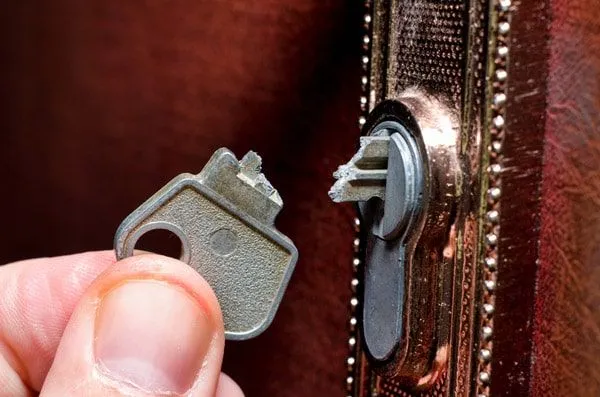
Many emergency calls to a Locksmith Near Me could be avoided if early warning signs were recognised. A professional Affordable Locksmith often finds that customers ignored symptoms for weeks before the break happened.
This guide explains the clear signs that your key may be close to snapping and when to call a residential locksmith, automotive locksmith, Mobile Locksmith, or Commercial Locksmith before it turns into an emergency.
Visible Wear on the Key Teeth
One of the first warning signs is visible wear on the key’s teeth.
Look closely at your key. Do you see:
- Rounded edges
- Flattened grooves
- Thinner metal
- Small chips
- Uneven cuts
Keys are made from relatively soft metal. Over time, friction with internal pins wears them down. Once the blade becomes thin, it loses strength.
A worn key is far more likely to snap under pressure, especially inside an ignition.
Replacing a worn key early is far cheaper than broken key extraction later.
The Key Feels Loose or Wobbly
If your key feels loose inside the lock, it may no longer align properly with the internal pins.
Common signs include:
- Excess side to side movement
- Shaking while turning
- Inconsistent engagement
- Partial rotation
A loose fit means the metal has worn down. That weakness increases stress when turning.
A trained automotive locksmith often sees worn ignition keys break after weeks of loose movement.
You Need Extra Force to Turn the Lock
Keys should turn smoothly. If you start applying extra pressure, that is a clear warning.
You may notice:
- Stiff rotation
- Grinding sounds
- Jerky movement
- Resistance at certain angles
When resistance increases, many people twist harder. That added torque places stress on the thinnest part of the key.
This is one of the most common causes of snapping.
A professional residential locksmith can inspect the cylinder and clean or rekey it before further damage occurs.
The Key Is Slightly Bent
A bent key is a weak key. Even a small curve weakens structural strength.
You might see:
- A subtle curve along the blade
- Uneven insertion into the lock
- Difficulty sliding the key in
Bent keys often happen from:
- Dropping keys
- Using the key as a tool
- Heavy key rings pulling on ignitions
- Forcing frozen locks
A bent key should be replaced immediately. Continuing to use it increases the chance of breakage.
Cracks Near the Base of the Key
The narrowest section of a key is usually near the base where it meets the head. This is the most common snapping point.
Look for:
- Hairline cracks
- Slight separation in metal
- Discolouration near stress points
Even small cracks weaken the blade significantly.
If you notice any fracture lines, contact a Mobile Locksmith to cut a replacement before the key fails completely.
Grinding or Scraping Sounds
Unusual sounds are another warning sign.
If you hear:
- Grinding during insertion
- Scraping when turning
- Clicking noises inside the cylinder
These sounds indicate misalignment between the key and lock.
Over time, misalignment increases stress on both the key and the internal pins. That stress often leads to snapping.
A skilled Commercial Locksmith frequently addresses these issues in high use office locks before keys break and disrupt operations.
Cold Weather Increases Risk
Temperature changes make worn keys more likely to break.
In cold conditions:
- Metal becomes brittle
- Moisture inside locks freezes
- Internal movement stiffens
When drivers apply extra force to frozen locks, weakened keys often snap.
A locksmith 24 hour service sees higher volumes of broken keys during winter months.
Preventive maintenance before winter reduces risk.
Heavy Key Rings Add Pressure
Large keychains place constant downward pressure on ignition keys.
Over time, this causes:
- Ignition wear
- Cylinder misalignment
- Key fatigue
- Stress at the base of the blade
Reducing weight on your key ring can significantly extend key life.
An experienced automotive locksmith often recommends lighter key rings to prevent ignition damage.
How to Prevent Key Breakage
Prevention is simple and cost effective.
You can:
- Replace worn keys early
- Keep key rings light
- Lubricate locks seasonally
- Avoid forcing stiff locks
- Address resistance immediately
Routine inspection by an Affordable Locksmith protects both keys and locks.
Choose Professional Help Before It Snaps
Broken keys often give clear warning signs. Visible wear, bending, stiffness, and grinding are signals you should not ignore.
A trusted Locksmith Near Me can cut a new key before failure occurs. A skilled residential locksmith, automotive locksmith, or Commercial Locksmith can inspect and service your locks. A reliable Mobile Locksmith provides fast on site support, and locksmith 24 hour service ensures help is available if a break does happen.
Pay attention to the signs. Replacing a worn key today is far easier than dealing with a snapped key tomorrow.