
A key snaps inside your door or ignition. Half remains in your hand. The other half is stuck deep in the lock. In that moment, panic sets in. Many people rush to fix the issue themselves. Unfortunately, the wrong move can turn a small problem into an expensive repair.
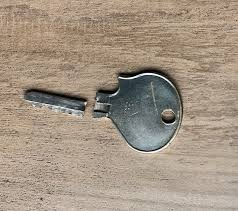
Broken key situations are common, but they are also easy to make worse. A skilled Locksmith Near Me often sees more damage caused by DIY attempts than by the original break. Knowing what not to do can save you time, money, and stress.
This guide explains the most common mistakes that make broken key problems worse and why calling a professional Affordable Locksmith, automotive locksmith, Mobile Locksmith, or Commercial Locksmith is often the safer solution.
Forcing the Broken Key Deeper
One of the biggest mistakes is trying to push or twist the remaining fragment.
People often:
- Insert another key to push it out
- Twist the visible piece with force
- Wiggle aggressively
- Try to “turn it back” into place
This usually pushes the fragment deeper into the cylinder. Once it moves further inside, extraction becomes more difficult. In vehicle ignitions, forcing the key can damage wafers or steering lock components.
A trained automotive locksmith uses controlled tools designed to remove the fragment without pushing it deeper.
Using Glue to Reattach the Pieces
Online advice often suggests applying glue to the broken key and sticking it back together inside the lock. This method almost always fails.
Glue can:
- Spread inside the cylinder
- Harden around internal pins
- Permanently jam the lock
- Require full lock replacement
What starts as a simple extraction may turn into a complete cylinder replacement. A professional Mobile Locksmith can usually remove a clean break quickly. Glue complicates the entire process.
Inserting Sharp Objects Into the Lock
Many people grab paper clips, needles, or tweezers to fish out the broken key.
These tools can:
- Scratch the keyway
- Bend internal pins
- Break off inside the lock
- Cause misalignment
Lock cylinders are precise mechanical systems. Scratching or bending components leads to sticking, grinding, and eventual failure.
A qualified residential locksmith uses thin extractor hooks specifically made for this task.
Spraying the Wrong Lubricant
Lubrication helps in some cases, but using the wrong product makes things worse.
Common mistakes include spraying:
- Cooking oil
- WD-40 in large amounts
- Household cleaners
- Grease
Heavy oils attract dirt and cause buildup. Over time, that buildup increases friction inside the cylinder.
Professionals use graphite or PTFE-based lubricants in controlled amounts. An Affordable Locksmith understands how much and when to apply it.
Ignoring the Cause of the Break
Another mistake is focusing only on the broken key without addressing why it snapped.
Keys often break due to:
- Worn metal
- Dirt inside the cylinder
- Frozen moisture
- Misaligned locks
- Heavy key rings
If you remove the fragment but ignore the root cause, the next key may break soon after.
A professional locksmith inspects the lock and recommends maintenance or rekeying when needed.
Continuing to Drive With a Damaged Ignition
When a key breaks in a vehicle ignition but still turns partially, some drivers continue using it.
This can:
- Damage the ignition cylinder
- Affect steering wheel locks
- Misalign transponder communication
- Lead to full ignition failure
A trained automotive locksmith evaluates the ignition immediately to prevent long term damage.
Waiting Too Long to Call for Help
Delaying professional service often increases risk. A broken key left inside a door or ignition can:
- Attract moisture
- Cause rust
- Compromise security
- Leave your property exposed
A locksmith 24 hour service ensures you can get help at any time, especially during emergencies.
Fast action reduces complications.
Using Unqualified Repair Services
Not all repair services specialise in lock systems. General mechanics or handyman services may not have the right extraction tools.
Choosing the wrong provider can:
- Damage high security cylinders
- Void manufacturer warranties
- Lead to incorrect key cutting
- Compromise security systems
A skilled Commercial Locksmith handles high security locks for businesses. A residential locksmith manages home systems. A trained automotive locksmith understands vehicle electronics.
Choosing the right specialist matters.
Why Mobile Locksmith Service Prevents Further Damage
A professional Mobile Locksmith arrives equipped with:
- Precision extraction tools
- Proper lubricants
- Key cutting machines
- Programming equipment
- Replacement components
Most extractions take 10 to 30 minutes when handled correctly. Quick professional service prevents secondary damage and avoids unnecessary lock replacement.
How to Prevent Broken Key Issues
Preventive care reduces emergencies.
You can lower risk by:
- Replacing worn keys early
- Keeping key rings light
- Lubricating locks seasonally
- Addressing sticking locks promptly
- Avoiding force when turning
Regular inspection from an Affordable Locksmith protects both keys and cylinders.
Choose the Safe Solution
Broken key problems become worse when handled incorrectly. Forcing, gluing, and using improvised tools often turn a minor issue into a costly repair.
A trusted Locksmith Near Me uses proper extraction tools. An Affordable Locksmith keeps costs fair. A skilled residential locksmith, automotive locksmith, or Commercial Locksmith protects your lock system. A reliable Mobile Locksmith completes the job on site, and locksmith 24 hour service ensures help is available whenever needed.
When a key breaks, avoid the mistakes that make things worse. Professional service protects your property, your vehicle, and your peace of mind.