
A key rarely snaps without warning. In most cases, breakage happens after months or even years of wear. The edges thin out. The grooves lose shape. The metal weakens. Then one day, you turn the lock and hear a sharp crack. Now you are searching for a Locksmith Near Me to fix the problem fast.
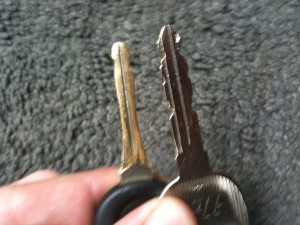
Worn keys are one of the most common causes of broken locks and ignition failures. A skilled Affordable Locksmith sees this issue daily across homes, vehicles, and businesses. Understanding how wear leads to breakage can help you prevent emergency calls and costly repairs.
This guide explains how keys wear down, why they break, and how a professional residential locksmith, automotive locksmith, or Commercial Locksmith can help.
What Happens to a Key Over Time
Keys are made of soft metals like brass or nickel alloys. These materials are strong enough for daily use but soft enough to protect the lock cylinder from damage.
Every time you:
- Insert the key
- Turn the lock
- Remove the key
- Carry it in your pocket
- Drop it on hard surfaces
You create friction. Over time, that friction wears down the key’s teeth and edges.
High usage speeds up this process. Vehicle keys used multiple times per day wear faster than spare house keys used occasionally.
Thinning Metal and Structural Weakness
As the teeth wear down, the blade becomes thinner. This weakens the key’s structure.
A worn key often shows:
- Rounded teeth
- Small cracks near the base
- Slight bending
- Rough or uneven edges
Once the metal loses thickness, it cannot handle the torque applied during turning. When resistance occurs inside the lock, the weakest point gives way.
That is when the key snaps.
Increased Force on a Worn Key
Worn keys do not fit the lock precisely anymore. When grooves lose shape, the pins inside the cylinder may not align smoothly.
This causes:
- Sticking
- Grinding
- Extra resistance
- Jerky turning motion
Drivers and homeowners often respond by twisting harder. That extra force puts stress on an already weakened blade.
A trained automotive locksmith frequently finds that ignition key breakage follows repeated sticking or hard turning.
Heavy Key Rings Add Extra Stress
Many people attach multiple keys, tools, and accessories to one key ring. That added weight increases strain on the blade.
In vehicles especially, heavy key rings:
- Pull downward on the ignition
- Wear out cylinder components
- Create uneven pressure
- Increase metal fatigue
Over time, this constant strain weakens the key at the narrowest point near the base.
A professional Mobile Locksmith often advises customers to reduce key ring weight to extend ignition life.
Dirt, Debris, and Poor Lubrication
Even a slightly worn key can function normally in a clean lock. Problems begin when debris builds up inside the cylinder.
Dirt, dust, and lack of lubrication create:
- Extra friction
- Misaligned pins
- Binding during turning
- Increased torque pressure
When resistance rises, the weakened key becomes more likely to snap.
Regular maintenance from a residential locksmith or Commercial Locksmith keeps locks clean and reduces breakage risk.
Cold Weather and Metal Brittleness
Temperature changes also play a role. Cold weather makes metal more brittle.
When temperatures drop:
- Metal contracts
- Lubricants thicken
- Moisture freezes inside locks
- Turning resistance increases
A worn key under cold stress is far more likely to break.
This is why locksmith 24 hour services often see higher volumes of broken keys during winter months.
Signs Your Key Is About to Fail
Most keys show warning signs before snapping completely.
Watch for:
- Visible thinning of teeth
- Key bending slightly during turning
- Difficulty inserting into the lock
- Rough grinding sound
- Needing extra force to rotate
If you notice these symptoms, replacing the key early costs far less than emergency extraction later.
How a Locksmith Prevents Breakage
A professional locksmith does more than fix broken keys. They help prevent them.
Services may include:
- Cutting new keys from original codes
- Rekeying worn cylinders
- Cleaning and lubricating locks
- Inspecting ignition systems
- Replacing damaged components
An Affordable Locksmith focuses on small preventive steps that protect both the key and the lock.
For businesses, a Commercial Locksmith can inspect high use locks and master key systems regularly to reduce downtime.
Why Mobile Locksmith Service Makes a Difference
When a worn key finally breaks, a Mobile Locksmith provides fast on site repair.
Mobile service includes:
- Broken key extraction
- Immediate key cutting
- Lock testing
- Ignition repair
- Emergency response
Most extractions take 10 to 30 minutes. Early replacement would have taken even less time and cost.
Choosing the Right Locksmith
Not every locksmith focuses on preventive care. Look for:
- Experience with residential and automotive systems
- Mobile service capability
- Clear pricing
- Locksmith 24 hour availability
- Strong customer reviews
Ask whether they can inspect other locks during service to prevent repeat issues.
Protect Your Keys Before They Break
Worn keys lead to breakage because thinning metal, added stress, and increased friction weaken the blade over time. What starts as minor wear can end in a snapped key and emergency service.
A trusted Locksmith Near Me can cut a new key before failure occurs. An Affordable Locksmith keeps maintenance costs low. A skilled residential locksmith, automotive locksmith, or Commercial Locksmith ensures your locks operate smoothly. And locksmith 24 hour service stands ready when emergencies happen.
Replacing a worn key today is far easier than extracting a broken one tomorrow.