
Winter mornings can create unexpected lock problems. You insert your key into the door or ignition, turn it, and feel resistance. You apply a little more pressure. Suddenly, the key snaps. Now part of it is stuck inside the lock.
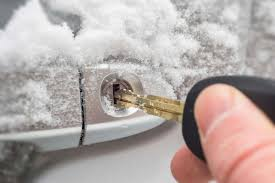
Frozen locks are one of the most common causes of broken keys during cold weather. Many emergency calls to a Locksmith Near Me happen after temperatures drop overnight. Understanding why frozen locks cause breakage can help you avoid damage and expensive repairs.
This guide explains how freezing affects locks, why keys snap, and how a professional Affordable Locksmith, automotive locksmith, Mobile Locksmith, or Commercial Locksmith can resolve the issue safely.
How Locks Freeze in Cold Weather
Locks freeze when moisture enters the cylinder and temperatures fall below freezing.
Moisture can enter through:
- Rain
- Snow
- Car washes
- Humidity
- Condensation
When temperatures drop, that moisture turns to ice. Ice blocks the internal pins or wafers inside the lock. The key can still insert, but it will not turn smoothly.
The internal components become stiff and resist movement.
Why Frozen Locks Cause Keys to Break
When a lock freezes, drivers and homeowners often react by applying more force.
This creates stress on the key blade because:
- Ice prevents the pins from aligning
- The cylinder does not rotate freely
- The key absorbs all twisting pressure
- Cold temperatures make metal more brittle
Cold metal loses flexibility. When you combine brittleness with added torque, the key can snap at its weakest point.
A skilled automotive locksmith often sees ignition keys break after drivers try to start a frozen vehicle.
Vehicle Locks Are Especially Vulnerable
Car door locks and ignitions are exposed to outdoor conditions. Overnight frost can freeze internal components quickly.
Vehicle related freezing problems include:
- Door lock cylinders freezing
- Ignition resistance
- Steering wheel lock pressure
- Key fob emergency blade breakage
Modern cars may use push start systems, but many still include emergency metal blades. Those blades often break when used in frozen door locks.
A professional Mobile Locksmith can extract broken fragments and restore access without damaging the ignition system.
Residential and Commercial Locks Can Freeze Too
Frozen locks are not limited to vehicles. House and office locks can freeze during winter storms.
Common scenarios include:
- Front door deadbolts exposed to wind
- Outdoor gate locks
- Storage unit padlocks
- Commercial entry doors
A trained residential locksmith or Commercial Locksmith can safely thaw and service these locks before further damage occurs.
Mistakes That Make Frozen Lock Problems Worse
Many people make simple mistakes when dealing with frozen locks.
Common errors include:
- Forcing the key to turn
- Using hot water on the lock
- Applying excessive heat
- Using heavy oil or grease
- Continuing to twist a stuck key
Hot water may temporarily melt ice, but it refreezes quickly and makes the problem worse. Excessive heat can damage lock components.
Forcing the key remains the main cause of breakage.
Safe Steps to Take Before Calling a Locksmith
If you suspect a frozen lock, take careful steps.
You can:
- Gently warm the key in your hands
- Use proper lock de-icer spray
- Apply light pressure only
- Avoid forcing rotation
If resistance continues, stop immediately. Continuing to twist increases the chance of snapping the key.
Calling an Affordable Locksmith early prevents further damage.
How a Locksmith Fixes Frozen Lock Damage
When a key breaks due to freezing, a professional locksmith will:
- Extract the broken fragment
- Inspect internal components
- Apply proper lubricant
- Test the lock thoroughly
- Cut a replacement key
Most extractions take 10 to 30 minutes once the technician arrives.
If the lock was damaged internally, rekeying or cylinder replacement may be recommended.
A locksmith 24 hour service ensures help is available even during early morning winter emergencies.
Preventing Frozen Lock Breakage
You can reduce risk with simple maintenance.
Preventive steps include:
- Applying graphite or PTFE lubricant before winter
- Using lock covers on outdoor locks
- Keeping vehicle key rings light
- Replacing worn keys early
- Addressing sticking locks immediately
Preventive care from a residential locksmith or Commercial Locksmith can extend lock life and reduce winter emergencies.
Why Mobile Locksmith Service Is Essential in Winter
Cold weather emergencies often happen when you need to leave for work or return home late at night.
A Mobile Locksmith provides:
- Fast on site response
- Safe broken key extraction
- Immediate key replacement
- Ignition inspection
- Security restoration
Mobile service eliminates the need to tow vehicles or remove door hardware.
Choose the Right Professional
Not every locksmith specialises in winter related lock damage. Look for:
- Experience with automotive ignitions
- 24 hour availability
- Mobile service capability
- Clear pricing
- Strong customer reviews
Ask whether they inspect the lock for freeze damage after extraction.
Professional service protects both your key and your lock.
Stay Safe When Temperatures Drop
Yes, frozen locks can cause keys to break. Ice creates resistance inside the cylinder, and cold metal becomes brittle under pressure.
A trusted Locksmith Near Me can safely extract broken fragments. An Affordable Locksmith keeps repair costs reasonable. A skilled automotive locksmith, residential locksmith, or Commercial Locksmith restores function without unnecessary replacement. A reliable Mobile Locksmith handles the repair on site, and locksmith 24 hour service ensures help is available when winter strikes.
When temperatures fall, avoid force and choose professional help.