
You insert your key and feel resistance. It does not slide in smoothly. You twist, and it sticks. One day, it snaps. Now part of the key is trapped inside the lock. Many people blame the key itself, but the real cause may be corrosion inside the cylinder.
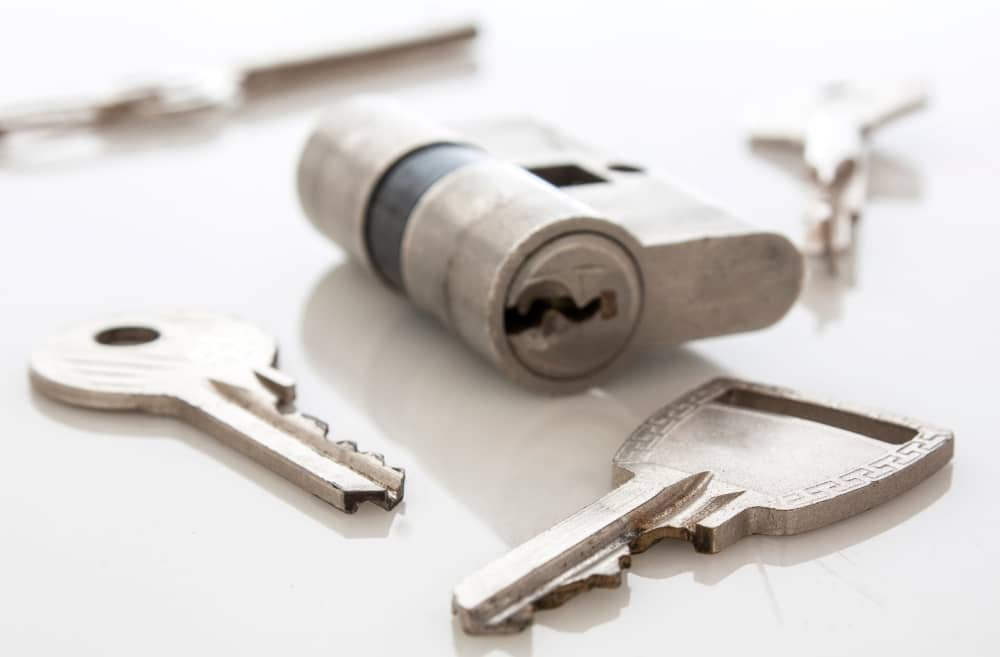
Corrosion is one of the hidden reasons keys fail. Moisture, dirt, and lack of maintenance slowly damage internal components. Over time, this weakens both the lock and the key. A professional Locksmith Near Me often discovers rust and buildup as the root problem during broken key extraction.
This guide explains how corrosion develops, how it leads to key failure, and how a skilled Affordable Locksmith, automotive locksmith, Mobile Locksmith, or Commercial Locksmith can prevent further damage.
What Causes Corrosion Inside a Lock
Locks are exposed to daily environmental stress. Even indoor locks collect dust and moisture. Outdoor locks face even harsher conditions.
Corrosion often develops due to:
- Rain and snow exposure
- Humidity and condensation
- Car washes
- Temperature changes
- Dirt and debris buildup
- Lack of lubrication
When moisture enters the cylinder, metal parts begin to oxidise. Over time, rust forms on pins, springs, and internal surfaces.
This corrosion reduces smooth movement inside the lock.
How Corrosion Leads to Key Failure
Locks operate with precision. Small pins align with the grooves of the key. When corrosion develops, those pins may stick or move unevenly.
This creates:
- Increased friction
- Grinding during insertion
- Stiff rotation
- Jerky turning motion
- Incomplete key engagement
When you apply extra force to overcome resistance, the key absorbs the stress. If the metal is already worn, it may snap under pressure.
A trained automotive locksmith frequently sees ignition keys break due to rust buildup inside the cylinder.
Vehicle Locks Are Especially Vulnerable
Car door locks and ignitions are exposed to outdoor conditions daily. Moisture enters through rain, snow, and condensation.
Vehicle related corrosion may cause:
- Ignition sticking
- Door lock resistance
- Emergency blade breakage
- Steering lock strain
When drivers force a stuck ignition, the key may break near the base.
A skilled Mobile Locksmith can extract the broken fragment and inspect the ignition to prevent repeat failure.
Residential Locks and Hidden Rust
House locks also suffer from corrosion, especially exterior doors.
Common residential corrosion issues include:
- Front door deadbolts exposed to weather
- Garage entry doors
- Basement locks in humid areas
- Storage shed padlocks
A residential locksmith can clean, lubricate, and rekey these locks before corrosion leads to breakage.
Regular maintenance prevents costly lock replacement.
Commercial Locks and High-Use Environments
Commercial properties face constant usage. High traffic increases wear, and outdoor exposure adds moisture risk.
Corrosion in commercial locks may result in:
- Master key system failure
- Key jamming
- Restricted cylinder sticking
- Security vulnerability
A professional Commercial Locksmith performs routine inspections and maintenance to reduce corrosion-related damage.
Preventive care protects business operations.
Warning Signs of Corrosion Damage
Corrosion rarely appears suddenly. It develops gradually and gives warning signs.
Watch for:
- Difficulty inserting the key
- Grinding sounds
- Visible rust near the keyway
- Rough turning motion
- Need for extra force
If you notice these symptoms, contact a locksmith before the key breaks.
An Affordable Locksmith can service the lock early and extend its lifespan.
How a Locksmith Fixes Corrosion Issues
When corrosion causes key failure, a professional locksmith will:
- Extract any broken fragments
- Disassemble the cylinder if necessary
- Clean internal components
- Apply proper lubricant
- Replace worn pins or springs
- Test smooth operation
In severe cases, full cylinder replacement may be recommended.
Most corrosion related repairs can be completed on site by a Mobile Locksmith.
Locksmith 24 Hour Service for Emergencies
Corrosion related breakage often happens during bad weather or early mornings.
A locksmith 24 hour service ensures:
- Immediate response
- Safe extraction
- Lock inspection
- Security restoration
Fast professional service prevents further damage and reduces downtime.
How to Prevent Corrosion Inside Locks
Prevention is simple but often ignored.
You can reduce corrosion risk by:
- Applying graphite or PTFE lubricant twice per year
- Installing protective covers on outdoor locks
- Avoiding heavy oil that traps dirt
- Addressing sticking locks immediately
- Keeping keyways clean
Regular service from a trusted locksmith keeps internal components moving smoothly.
Choose Professional Help Before Failure Happens
Yes, corrosion inside the lock can cause key failure. Rust and buildup increase friction, weaken internal parts, and place stress on the key. Over time, that stress leads to snapping.
A reliable Locksmith Near Me can identify corrosion before it causes damage. An Affordable Locksmith keeps maintenance costs manageable. A skilled automotive locksmith, residential locksmith, or Commercial Locksmith restores smooth operation. A dependable Mobile Locksmith completes repairs on site, and locksmith 24 hour service ensures help is available when emergencies strike.
Proper maintenance protects both your keys and your locks.